A source-checked voter guide — Ross Howell, September 2026
Hardened against LAO / SOS / OAG 25-0024A1.
This is a template, not a team jersey. Whenever California (or any ballot) asks you to vote for or against an initiative, referendum, or constitutional amendment, you deserve a clear picture before you decide. Campaigns will not hand you that picture whole. Digging the primary text and the buried tradeoffs every time is hard — so this is the method I’m building so it can happen easily and repeatedly: verify the statute, notice what is emphasized vs. soft-pedaled, ask what happens in year five, then you choose. This handout does not urge Yes or No. Prop 40 is the worked example.
What to do when you analyze any ballot measure
- Read the official title/summary and the actual measure text (or LAO analysis) — not only the ads.
- List what the Yes side leads with — and what is true but buried.
- Ask: one-time money or ongoing obligation? Who pays when the headline wears off?
- Separate clean evidence from stories that only feel related.
- Decide — without outsourcing your judgment to a tribe.
How to read a ballot measure (Prop 19 before Prop 40)
Prop 19 (November 2020) is the cautionary tale. Voters were sold a feel-good package — help seniors/disabled/wildfire victims move and keep Prop 13 tax bases; “close loopholes.” Much of that was true. What many voters did not absorb until later: the same measure sharply limited the old parent-to-child / grandparent-to-grandchild property-tax transfers that had been in the Constitution since Prop 58 (1986) and Prop 193. Official Yes messaging led with the popular pieces; the cost to family transfers lived in the fine print and the opposition argument. People felt they voted with their hearts — then were surprised by the part that was downplayed.
The marketing pattern: give enough truth that people will complete the story for you — and skip the parts that would make them hesitate. That is not unique to one party. It is how ballot marketing works when we don’t check the primary text.
Official Prop 19 references (check yourself):
- California Secretary of State 2020 Voter Information Guide — Prop 19 title/summary, Yes/No meaning, arguments: https://vigarchive.sos.ca.gov/2020/general/propositions/19/
- LAO Prop 19 ballot analysis: https://lao.ca.gov/BallotAnalysis/Proposition?number=19&year=2020
Use that pattern on every measure: What is emphasized? What is true but buried? What happens in year five?
The accountability frame (why this is bigger than one vote)
Voters often act like parents who keep funding adult children’s overspending. The kids learn there is always another check from Mom and Dad — so they never have to perform. In Sacramento that check is new taxes and new ballot measures. The Legislature and the agencies it funds keep adding programs and one-time fixes while the structural books stay strained. If this were a private management team with the same record, owners would be shopping for replacements. In public life the feedback is slower — until pensions, reserves, and service quality show the strain.
Pensions and the state’s welfare are a function of how well we administer the taxes we already collect — not only whether we invent a new revenue headline. The Legislative Analyst’s Office has been warning that California faces chronic multiyear operating deficits even in periods of strong revenue (structural imbalance: ongoing spending outrunning ongoing revenue). That is the management record we should judge — before we celebrate the next feel-good fund.
References for the fiscal-management record (start here):
- LAO, The 2026-27 Budget: Overview of the Governor’s Budget — multiyear operating deficits / structural concerns: https://www.lao.ca.gov/reports/2026/5101/2026-27_Budget_Overview_011226.pdf
- LAO May Revision / spending-plan overviews for 2026-27 (search lao.ca.gov “2026-27 Budget”)
- High-speed rail and other multi-year capital projects: compare promised scope/cost at passage to current Authority business plans (e.g. 2026 Revised Draft Business Plan on hsr.ca.gov) — not as a Prop 40 causal claim, as a pattern of one-time political wins vs. long-run delivery
What Prop 40 does, in the statute’s own terms
A one-time 5% excise tax on the net worth of Californians worth $1 billion or more (order of ~200–250 people — proponent/Forbes-linked estimates, not a LAO count). Residency measured January 1, 2026. Net worth measured December 31, 2026. Real estate, most pensions, and most retirement accounts are generally excluded. Tax due April 15, 2027, or over five years at a 7.5% annual charge. 90% of net revenue → health care (Medi-Cal / safety-net); 10% → education and food assistance plus tax admin.
Every 2026 California filer must declare whether net assets exceeded $1 billion — a reporting line, not a tax on typical homeowners.
Primary text: Initiative 25-0024A1 (OAG) · LAO Prop 40 ballot analysis · SOS ballot materials.
The structural question (apply the Prop 19 habit here)
The tax is collected once. The programs it funds are ongoing. The statute itself (§50305(d)) forbids using this money to supplant existing state funds for health care, education, or food assistance — base funding stays; the one-time pot is added on top until it runs out.
When it runs out, the state must cut services back, raise other taxes, or cut elsewhere. That is not a campaign slogan; it is the design.
Revenue estimates disagree (read all three):
- LAO (official fiscal label): temporary revenue of tens of billions over several years
- SEIU-UHW / academic authors (Galle, Gamage, Saez, Shanske): ~$100B over five years
- Hoover Institution: ~$40B gross; large net loss if ongoing income-tax base leaves
LAO also flags a possible ongoing income-tax drop under ~$1B/year if some billionaires leave. If Prop 41 or 42 gets more Yes votes than Prop 40, Prop 40 can be nullified even if it also passes.
Not clean Prop 40 evidence: Nissan’s TN move and SpaceX’s TX move predate this measure — do not use them as proof of Prop 40’s effect.
What still cannot be known
Actual collections; whether the Jan 1, 2026 residency lock survives court challenge; whether 41/42 outpoll 40; how fast the fund is spent; whether the Legislature later amends under the two-thirds “furthers the purposes” clause.
Your job (not my jersey)
This guide does not tell you Yes or No. It asks you to do what Prop 19 taught many Californians the hard way: read the whole design, not only the part that makes you feel good. Ask whether we are funding adult-child habits in Sacramento — new revenue without performance — or demanding a management record that protects pensions, reserves, and services over time.
Think first. Then vote. Low turnout is a silent veto — critical thinking only counts if it shows up at the ballot. Elections end; the habit of verifying shouldn’t.
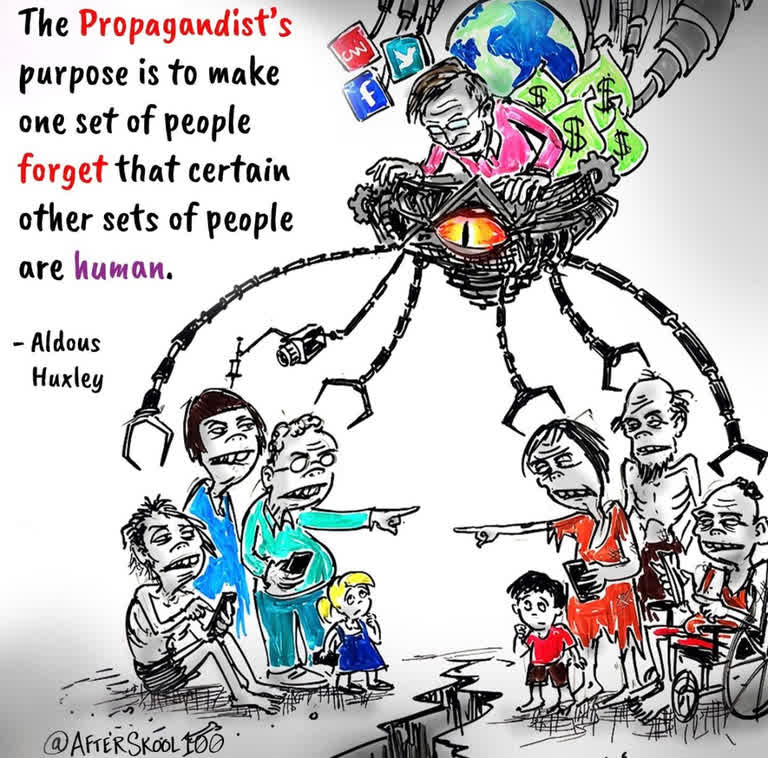
When we’re busy defending “our side” against “their side,” we stop demanding competence from anyone. The birdcage stays locked while we fight inside it.
Primary sources (Prop 40)
- LAO Proposition 40 (2026): https://lao.ca.gov/BallotAnalysis/Proposition?number=40&year=2026
- OAG initiative 25-0024A1 (Billionaire Tax) PDF via oag.ca.gov initiatives
- SOS / OAG fiscal impact materials for 25-0024A1
Method cross-link
- How I Determine Truth — Ego = 0, primary source, full context
Mrs. Gheighan’s Rule — my sixth-grade teacher in the mid-1950s. One of the most valuable things I’ve ever learned:
“Question all that you hear, read or see, whether it is from them, or from us.”